
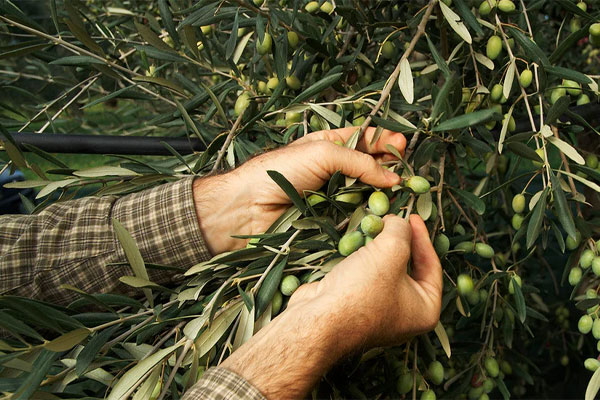
The quality of the oil is 80% determined before the olives even reach the mill.
Timing: For having premium quality oil, olives are harvested during the veraison (when they turn from green to purple). Green olives yield less oil but higher antioxidants; black olives yield more oil but a milder flavor.
Methods: Harvest is done manually which means hand-picking (common in traditional Tunisian groves).
Our olives are transported to the mill and processed within 24 hours of being picked.
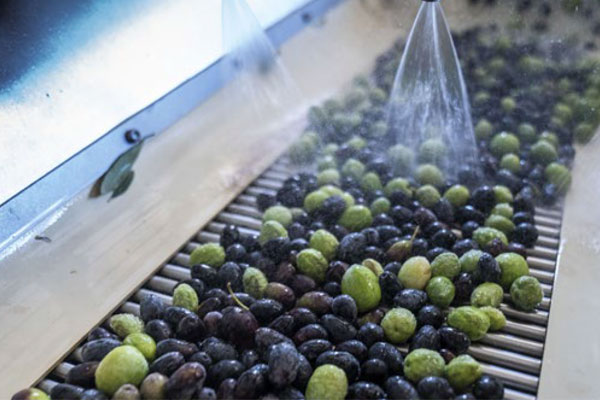
Once at the mill, the olives undergo "reception."
Defoliation: Powerful blowers remove leaves, twigs, and debris.
Washing: The fruit is bathed in cold water to remove dust, soil, and any residues.
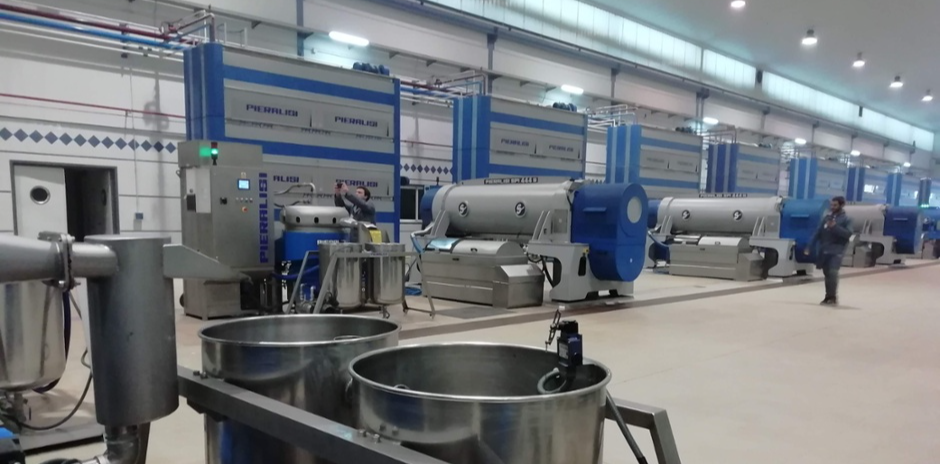
The goal here is to break the olive cells to release the oil. Stainless steel hammer mills or disc crushers grind the fruit (including the pits) in seconds. The pits contain natural antioxidants that help stabilize the oil.
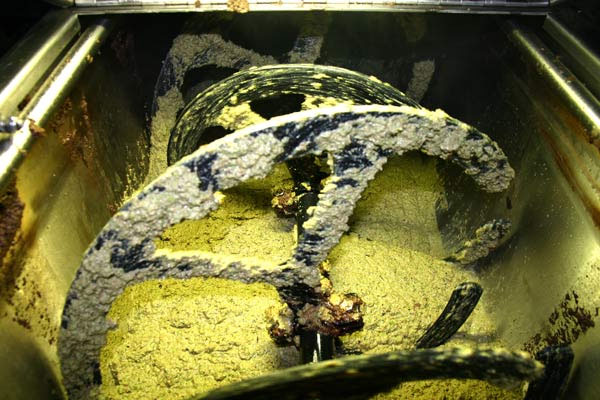
This is the most critical technical step for flavor and yield.
The Process: The olive paste is slowly stirred in a trough for 30–45 minutes.
The Science: Stirring allows tiny oil droplets to "coalesce" (join together) into larger drops that are easier to extract
Cold Extraction: To be certified "Extra Virgin," the temperature during this stage stays below 27°C (80.6°F). Higher heat increases yield but destroys the delicate aromas and health-giving polyphenols.
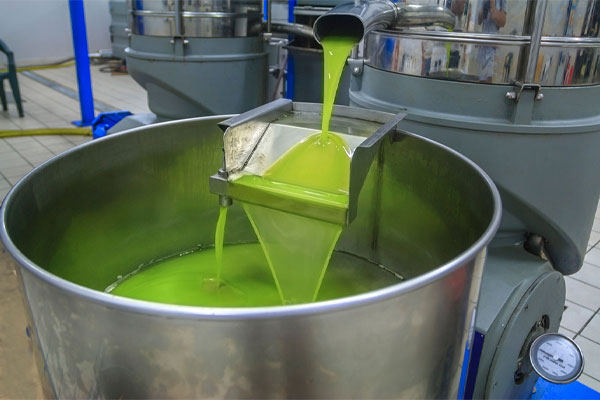
Now, the oil must be separated from the "pomace" (solid skins/pits) and "vegetation water." The paste enters a horizontal decanter that spins at high speeds (~3,000 RPM). Centrifugal force separates the components based on density:
Solids (thrown to the outside)
Vegetation Water (middle layer)
Oil (the lightest layer, pulled from the center)
The oil is often sent through a second, vertical centrifuge to remove the last traces of water.
Filtration: We filter the oil through paper or earth to remove microscopic fruit particles, which gives the oil a clearer look and longer shelf life.
Storage: The oil is stored in stainless steel tanks under a "blanket" of nitrogen to prevent oxidation (contact with air).
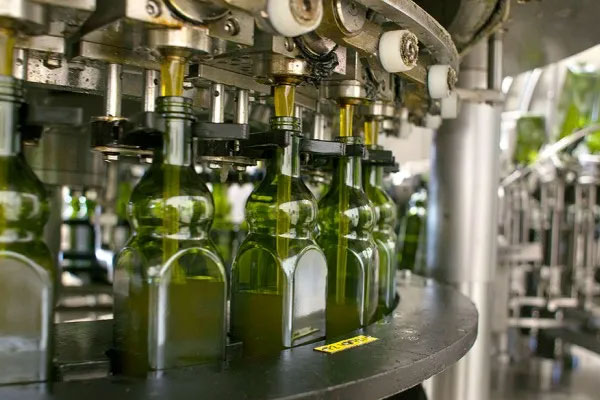
Bottling: Finally, the oil is put into dark glass bottles or tins to protect it from light, its number one enemy.
 English
  Français
  Español
  العربية
  Türkçe